
Choosing an EPC (Engineering, Procurement, and Construction) contractor is one of the highest-stakes decisions in any oil and gas project — get it right, and a project runs on schedule with few surprises; get it wrong, and even a well-designed project can end up over budget, delayed, or worse, unsafe. Yet many operators still default to comparing quotes on price alone, which is often the least reliable indicator of how a contractor will actually perform once work begins.
This article covers what actually separates a dependable EPC contractor from a risky one — the questions worth asking before you sign anything.
1. Track Record on Comparable Work — Not Just Any Work
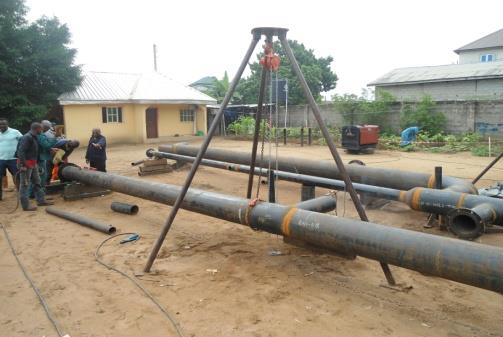
A contractor’s project list matters less than whether those projects actually resemble what you’re asking them to do. A firm with strong civil construction experience isn’t automatically equipped for pipeline welding and hydrotesting; a firm skilled at facility upgrades isn’t automatically ready for a greenfield tank farm build. Ask specifically:
- Have they executed work of this scope and type before, not just work in the same industry broadly?
- Can they name real clients and real projects, with dates and outcomes?
- Do they have experience with the specific regulatory environment your project sits in (e.g., NUPRC oversight, NESREA environmental requirements)?
2. A Real HSE Framework — Not a Policy Document Nobody Follows
Every contractor will tell you safety is a priority. Fewer can describe, specifically, how hazards are identified before work starts, what their actual incident targets are, and what happens when something goes wrong on site. Worth asking directly:
- What’s their process for hazard identification and job hazard analysis — is it applied before every task, or only for high-risk activities?
- What are their stated safety targets, and do they track performance against them?
- Do they hold relevant certifications (NEBOSH-qualified staff, ISO-based quality systems), and can they show you the documentation?
A contractor who answers these questions with specifics, rather than general reassurance, is one who’s actually built HSE into daily operations rather than treating it as marketing language.
3. Engineering Depth, Not Just Construction Capability
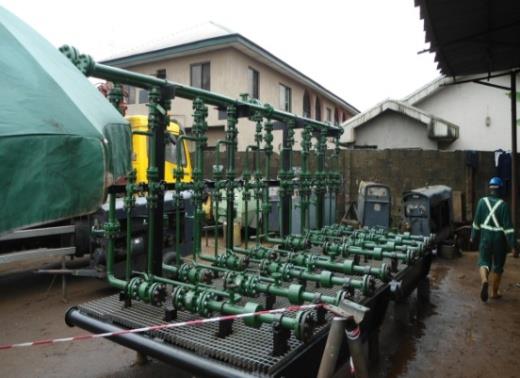
Contractors who can only execute a design handed to them by someone else carry more risk than those with genuine engineering capability in-house — because when a field condition doesn’t match the drawing (which happens more often than anyone would like), an engineering-capable contractor can resolve it correctly and quickly, rather than stopping work to escalate back to a third party.
The gap between “we can build what’s on the drawing” and “we understand why the drawing says what it says” is exactly where costly rework and schedule delays tend to happen.
4. Procurement Reliability
A project can be perfectly engineered and still stall if materials don’t arrive on schedule. Ask how a contractor manages vendor qualification, lead-time tracking, and quality documentation on procured materials — a contractor with weak procurement discipline will eventually pass that risk on to your project timeline.
5. Local Presence and Regulatory Familiarity
For projects in Nigeria specifically, a contractor’s familiarity with the practical realities of operating in the Niger Delta and wider region — community engagement norms, local content expectations, and the specific permits required for different types of work — meaningfully reduces the risk of delays that have nothing to do with the engineering itself.
Putting It Together
None of these factors replace the need for a competitive, fair commercial proposal — but price comparison only makes sense once you’ve confirmed the contractors you’re comparing are actually capable of delivering the work safely, on time, and to specification. A lower quote from a contractor who lacks relevant experience or a functioning HSE system is rarely the better deal once the project is underway.
At CASIL, we’ve been delivering engineering, procurement, construction, and HSE-integrated services across Nigeria’s oil and gas sector since 2001, working to an ISO-based quality management system and our own CASHES safety framework on every project. If you’re evaluating contractors for an upcoming project, request a quote and we’ll walk you through exactly how we’d approach it — or browse our full range of services to see where our experience lines up with your project’s scope.
CASIL (Chris and Sons International Limited) is a multidisciplinary engineering firm operating in Nigeria’s oil and gas sector since 2001, providing engineering, procurement, construction, and HSE-integrated services across the West African sub-region.